Everyone knows the Labradoodle. The Goldendoodle has practically become a cultural phenomenon. But ask most people about the Shichon, and you’ll get a blank stare.
That’s starting to change — and I think it’s long overdue. Shichon puppies (also called a Zuchon or Teddy Bear dog) is a cross between a Shih Tzu and a Bichon Frise, two breeds with long histories as beloved companion dogs. The result is a small, low-shedding, deeply affectionate hybrid that quietly checks almost every box families are searching for — without the waitlists, the price tags, and the hype that now surround the more fashionable doodle breeds.
I want to talk about why the Shichon deserves more credit than it gets, what living with one actually looks like, and what separates a well-bred Shichon from a poorly bred one. Because like any dog, the difference matters enormously.
Shichon puppies are first generation or multigenerational cross between a Shih Tzu and a Bichon Frise. Both parent breeds have deep roots as companion dogs — the Shih Tzu originates from ancient China, where it was bred specifically for palace life, and the Bichon Frise has a similarly pampered history across Europe, favored by French and Spanish nobility.
Neither breed was developed for working purposes. Both were bred to be close to people, responsive to human emotion, and gentle in temperament. When you cross two companion breeds, you tend to amplify the best traits of both — and in the Shichon’s case, that means a dog that is sociable, adaptable, and remarkably easy to live with.
The Shichon is not a recognized purebred by major kennel clubs, which means there’s no official breed standard. This is something to be aware of, because it means coat, size, and personality can vary more than in purebred dogs. A good breeder pays close attention to the parent dogs’ traits and temperament to produce consistent, predictable puppies. This is one of the most important things to ask about when evaluating a Shichon breeder.
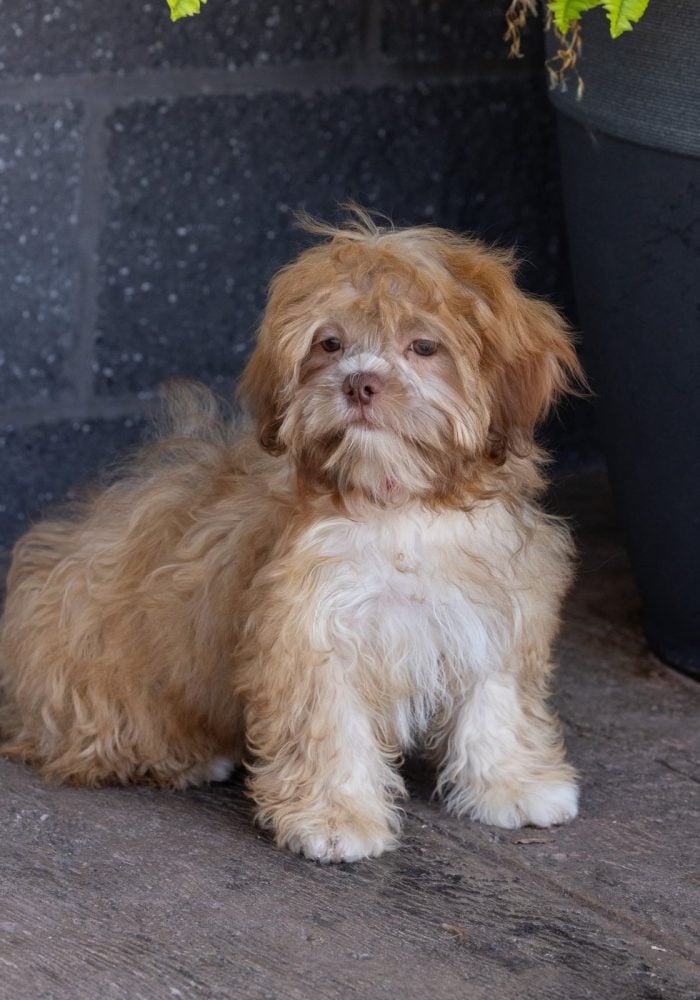
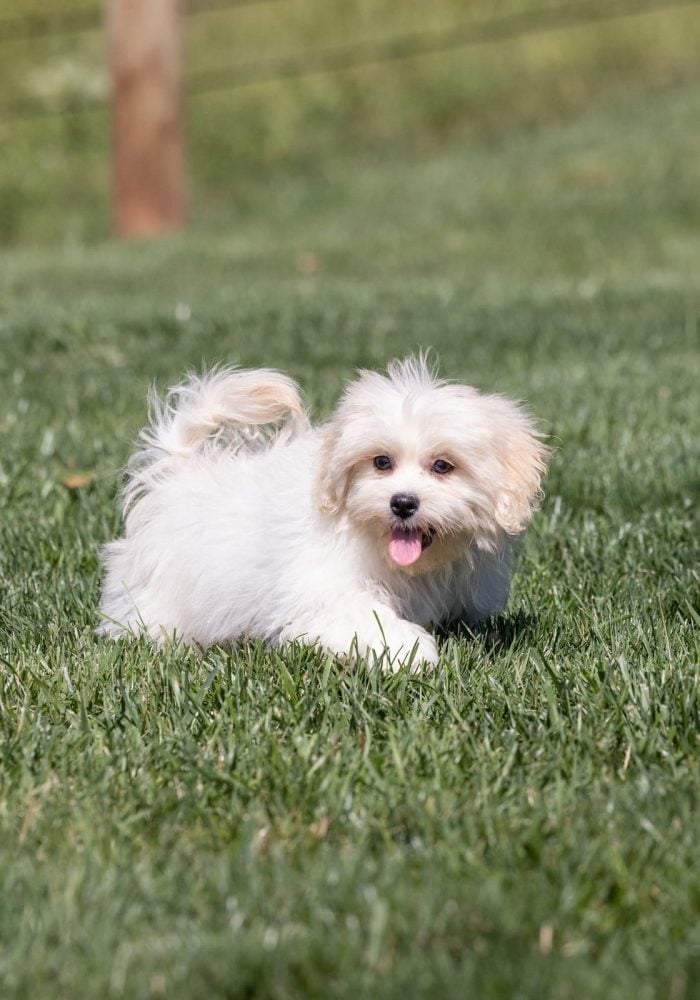
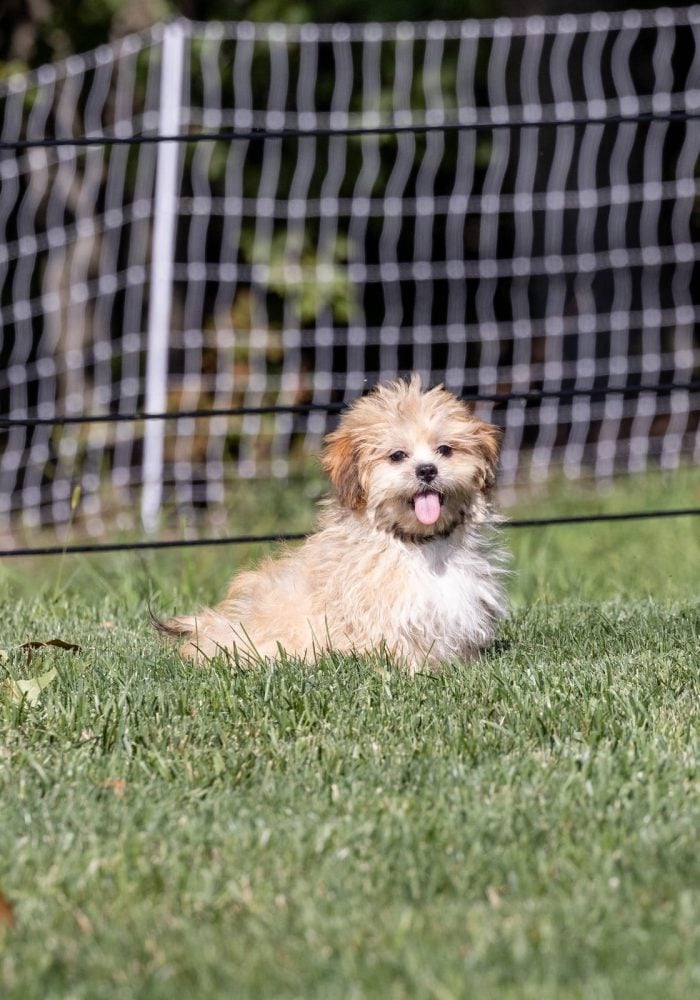
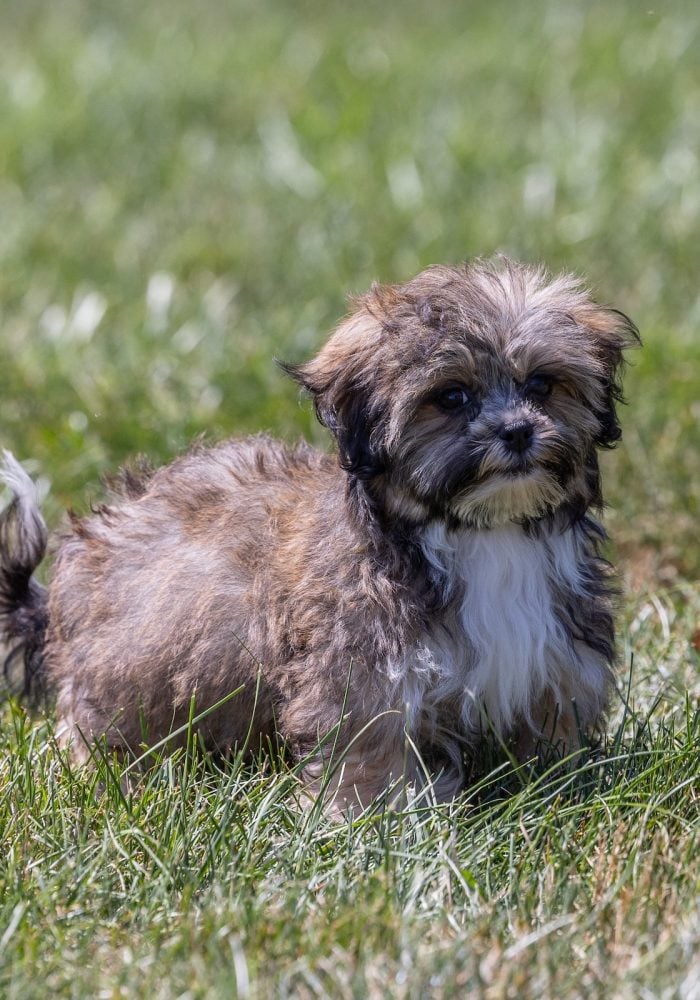
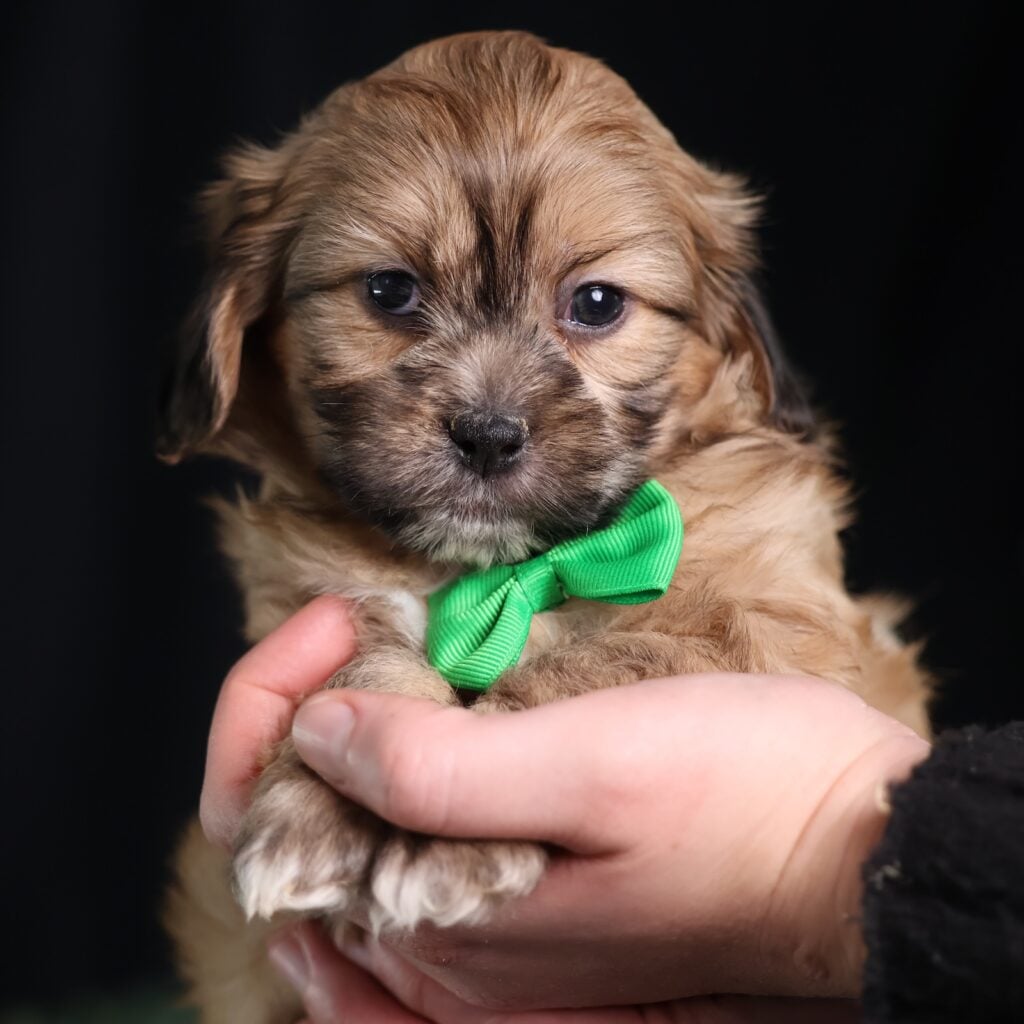
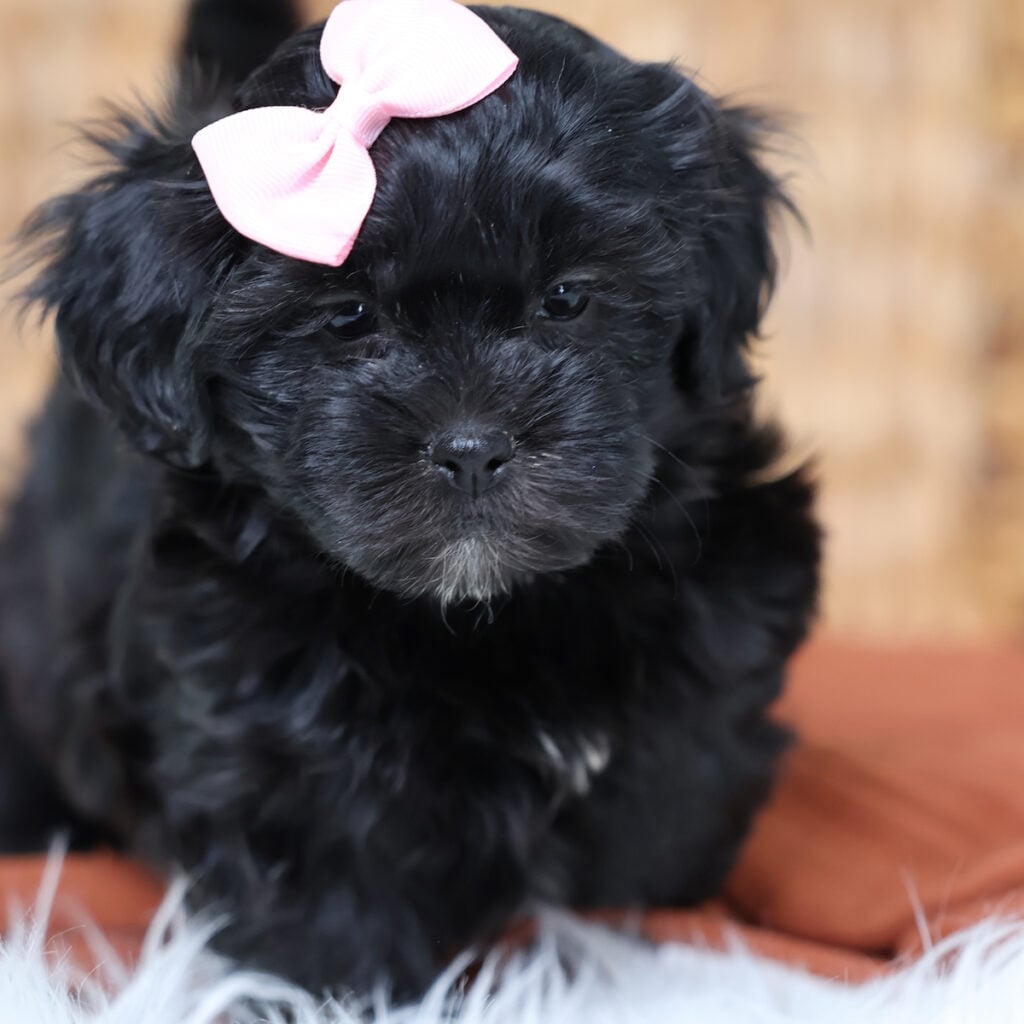
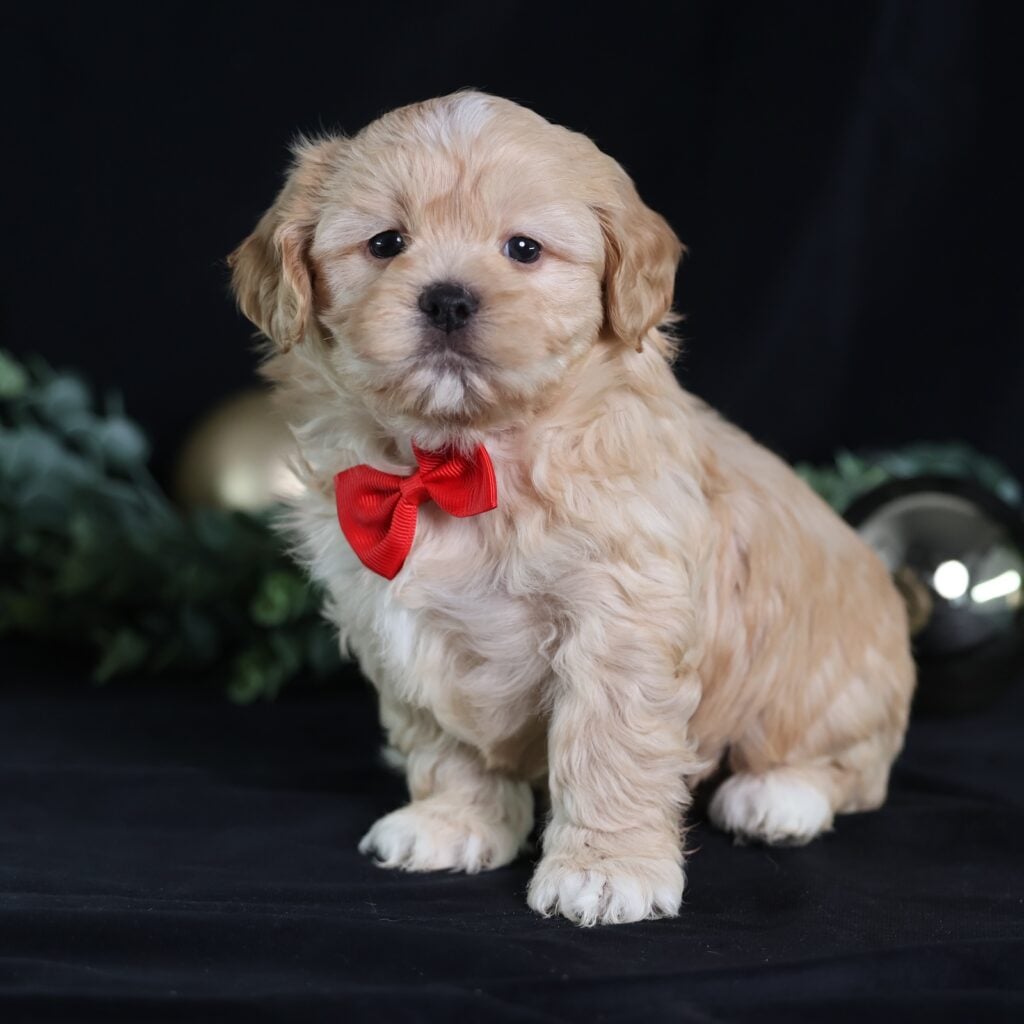
Let’s start with the obvious: Shichons are stunning little dogs. The most recognizable feature is the coat — typically soft, fluffy, and somewhere between wavy and slightly curly. The Bichon Frise parent contributes a tighter, curlier texture; the Shih Tzu brings the longer, silkier side. The combination usually results in what many describe as a ‘teddy bear’ appearance, which is a large part of why Shichons have earned the Teddy Bear Dog nickname.
More practically: Shichons are considered low-shedding dogs. Neither the Shih Tzu nor the Bichon Frise is a heavy shedder, and their cross tends to inherit that quality. For families with mild dog allergies or simply a strong preference for less hair around the house, this is a meaningful advantage.
I want to be clear about something, because I see a lot of misleading marketing in this space: no dog is completely hypoallergenic. Allergic reactions are triggered by proteins found in dander, saliva, and urine — not just fur. Low-shedding dogs produce less airborne dander, which reduces the likelihood of a reaction for many allergy sufferers, but it doesn’t eliminate it entirely. If allergies are a serious concern in your household, spending time with the breed before committing is always the responsible approach.
Grooming a Shichon requires consistent attention. That beautiful coat will mat if neglected. Most Shichon owners brush their dog several times a week and schedule professional grooming every 6–8 weeks. Many choose to keep their Shichon in a shorter ‘puppy cut’ year-round for easier maintenance. It’s a commitment, but for most owners, it becomes an enjoyable part of the routine rather than a chore.
If I had to describe the Shichon’s temperament in one phrase, it would be this: joyfully present. These dogs are not anxious, not hyperactive, not demanding — they’re simply happy to be wherever you are.
From the Shih Tzu side, Shichons inherit a calm, affectionate nature and a certain regal contentment — these are dogs that genuinely enjoy lounging beside you as much as they enjoy playing. From the Bichon Frise side, they get a playful, social energy and a natural ease with people of all ages. The combination tends to produce a dog that’s adaptable without being restless, and affectionate without being clingy to the point of anxiety.
Shichons are exceptional with children. Their small size means families with toddlers should always supervise interactions, but temperamentally, these dogs are remarkably tolerant and gentle. They’re equally wonderful with seniors, and they tend to get along well with other dogs and even cats when properly introduced.
One thing I’ve observed consistently: Shichons are emotionally intelligent dogs. They pick up on mood quickly. They gravitate toward whoever in the household needs company most. It’s not unusual for Shichon owners to describe their dog as having a kind of emotional sixth sense. That quality — and I don’t think it’s overstating it — is what turns casual dog owners into lifelong Shichon advocates.
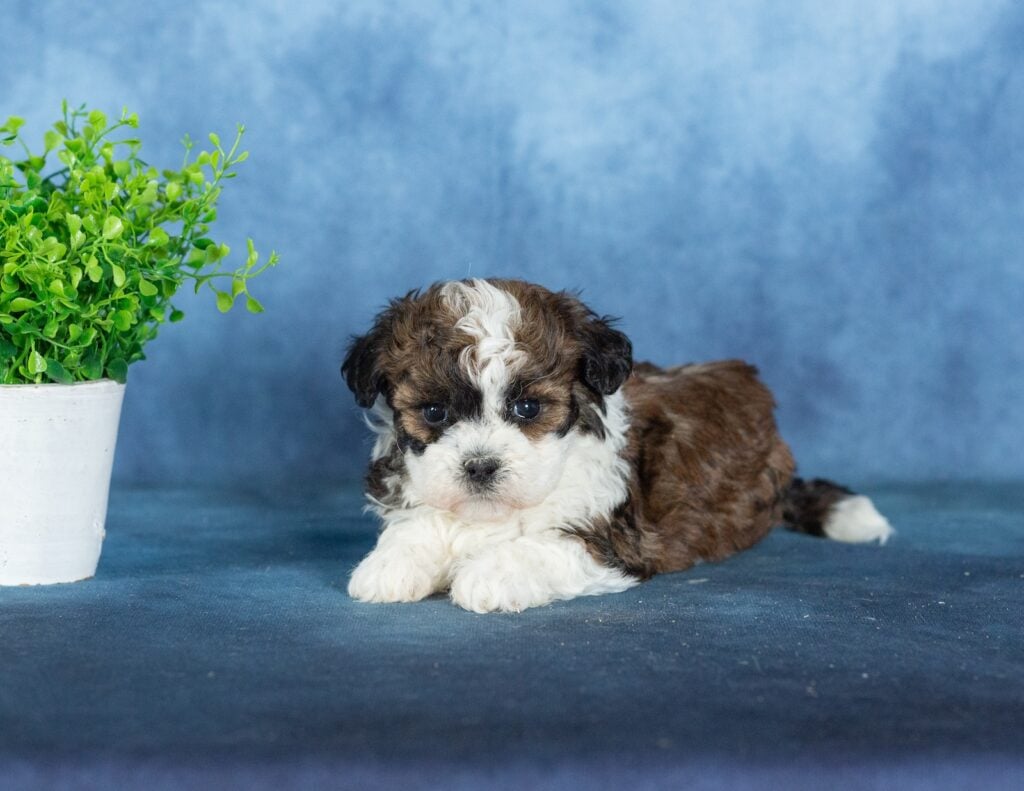
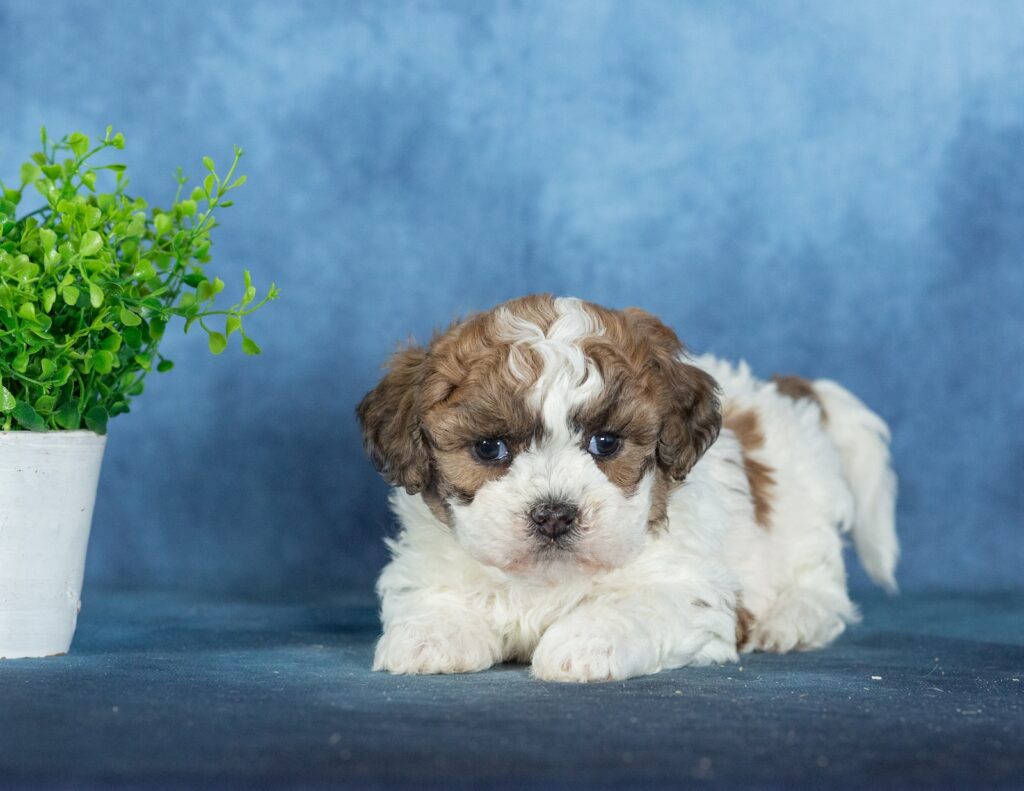
Shichons are small dogs — typically weighing between 8 and 15 pounds — which makes them one of the most versatile breeds for different living situations. They’re equally at home in an apartment or a house with a yard. They don’t require intense daily exercise. A couple of moderate walks and some indoor play is usually enough to keep a Shichon happy and healthy.
That said, don’t let the small size fool you into thinking they don’t need stimulation. Shichons are intelligent dogs with curious minds. Without enough mental engagement, they can become bored, which in small dogs often expresses itself as excessive barking or mischievous behavior. Puzzle toys, short training sessions, and interactive play are all great ways to keep a Shichon’s mind engaged.
Speaking of training: Shichon puppies are trainable, but they can carry a slight stubborn streak from the Shih Tzu side. Positive reinforcement is not just preferred — it’s really the only approach that works well with this cross. Harsh corrections or frustration-based training will shut a Shichon down. Patient, reward-based training with short, consistent sessions produces excellent results. Most Shichons pick up basic commands quickly and genuinely enjoy the engagement of training.
Housetraining can take a bit longer than with some other breeds, which is common among small breed dogs in general. Crate training paired with a consistent schedule gives you the best results. Don’t be discouraged if the first few weeks feel messy — with consistency, it clicks.
Hybrid dogs often benefit from what breeders call hybrid vigor — the tendency for mixed-breed dogs to be healthier overall than their purebred parent breeds, due to a wider genetic diversity. There’s genuine scientific support for this phenomenon, and Shichons do tend to be a relatively robust small breed.
That said, responsible breeding still matters enormously. Both Shih Tzus and Bichon Frises carry some breed-specific health tendencies that a good breeder tests for. Shih Tzus can be prone to eye issues, dental problems, and respiratory sensitivity (related to their brachycephalic face structure). Bichon Frises can be predisposed to allergies and certain joint issues.
When evaluating a Shichon breeder, ask about the health history of both parent dogs. Ask whether they perform genetic testing or health screenings on their breeding animals. A breeder who takes health seriously will welcome those questions. One who deflects or dismisses them is a red flag.
With proper veterinary care, a healthy diet, and attentive owners, Shichons typically live between 12 and 16 years. That’s a meaningful lifespan, and it’s one of the reasons Shichon owners tend to become so deeply attached to their dogs.
My honest answer: for a very wide range of families, yes. If you want a small dog with a low-shedding coat, a genuinely sweet temperament, moderate exercise needs, and the kind of emotional warmth that turns a house into a home — the Shichon is a strong candidate.
They’re a particularly excellent choice for first-time dog owners, because they’re forgiving of learning curves without being pushover dogs. They’re ideal for families with children, as long as kids understand how to treat a small dog respectfully. They’re wonderful for people living in apartments or smaller spaces. And they travel reasonably well for their size.
They’re probably not the right fit for someone who wants a highly independent dog or a breed that can handle long hours alone regularly. And if you’re not willing to commit to a grooming routine, the coat will become a problem over time.
But for the right owner? The Shichon is one of the most complete companion dogs you’ll find. It’s just taken a while for the rest of the world to catch up to what Shichon families have known for years.
At Pawtale Puppies, we’re passionate about raising Shichon puppies with the care and intentionality this breed deserves. Our puppies are raised with early socialization, health-conscious breeding practices, and the hands-on attention that sets a puppy up for a lifetime of confidence and connection.
If you’re ready to learn more or want to ask questions about whether a Shichon is the right fit for your home, we’d love to hear from you. Visit pawtalepuppies.com to see our available puppies and get started.

Paw Tale Puppies brings years of dedicated experience in raising happy, healthy companion dogs. With a deep commitment to responsible breeding, they prioritize ethical practices, early socialization, and attentive care from day one. Their goal is to ensure each puppy is not only well-prepared for life in a loving home but also thoughtfully matched with the perfect family, creating lasting bonds built on trust and companionship.