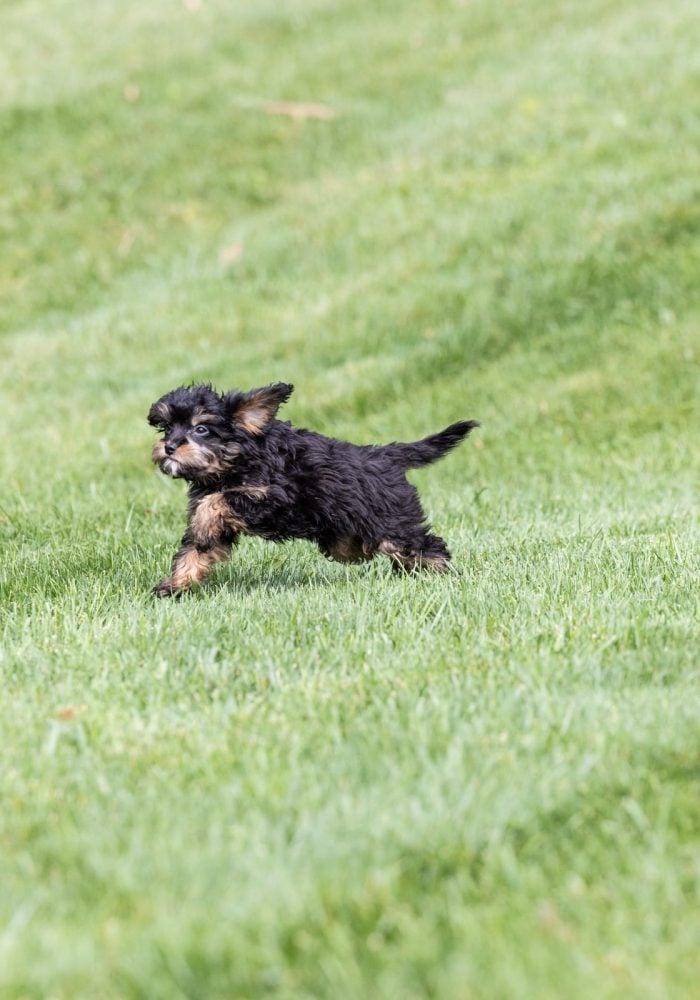
If you’ve been searching for a munchkin bernedoodle puppy, chances are you’ve already fallen down the rabbit hole of Bernedoodle sizes — Standard, Mini, Micro, Toy — and just when you thought you had it figured out, “Munchkin” showed up and threw a wrench in everything.
So let’s clear it up right away: a Munchkin Bernedoodle isn’t a size. It’s a completely different mix.
A Munchkin Bernedoodle is a three-breed cross — Bernese Mountain Dog, Poodle, and Cavalier King Charles Spaniel. That last piece is the key difference. While a traditional Bernedoodle is simply Bernese Mountain Dog and Poodle, the Munchkin line adds Cavalier bloodlines into the mix, which changes more than just the name.
We know that’s a little confusing, especially since “Munchkin” sounds like it should describe a smaller dog. But the size categories (Micro, Mini, Toy, Standard) and the breed-mix categories (Bernedoodle vs. Munchkin Bernedoodle) are two completely separate systems. A Munchkin Bernedoodle can still come in a range of sizes — the “Munchkin” simply tells you which breeds are behind the puppy, not how big it will get.
The Cavalier is known for being one of the most affectionate, people-oriented breeds out there. Adding that bloodline into the Bernese-Poodle mix tends to bring out a few noticeable traits:
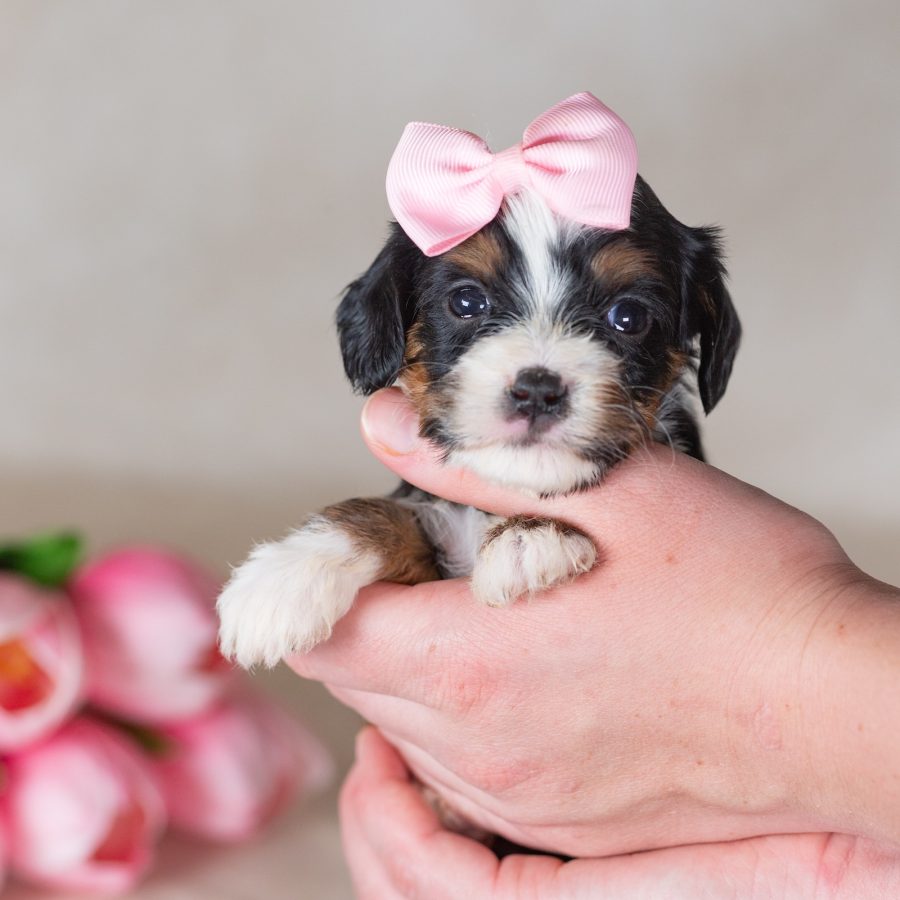
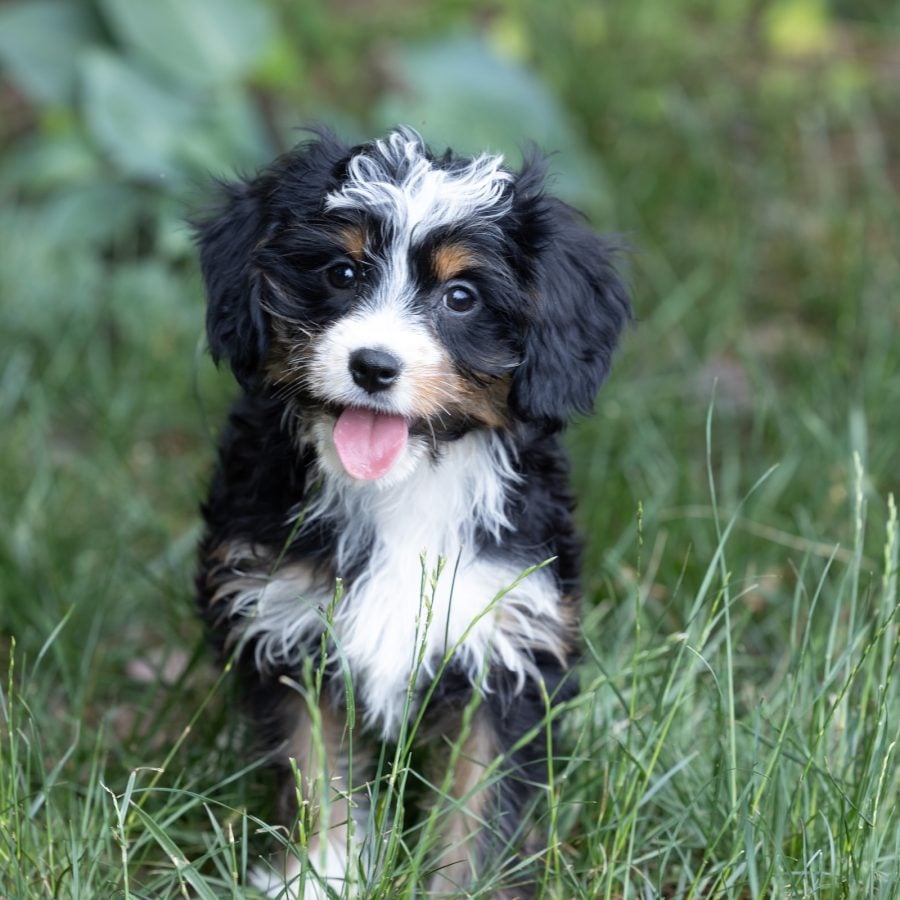
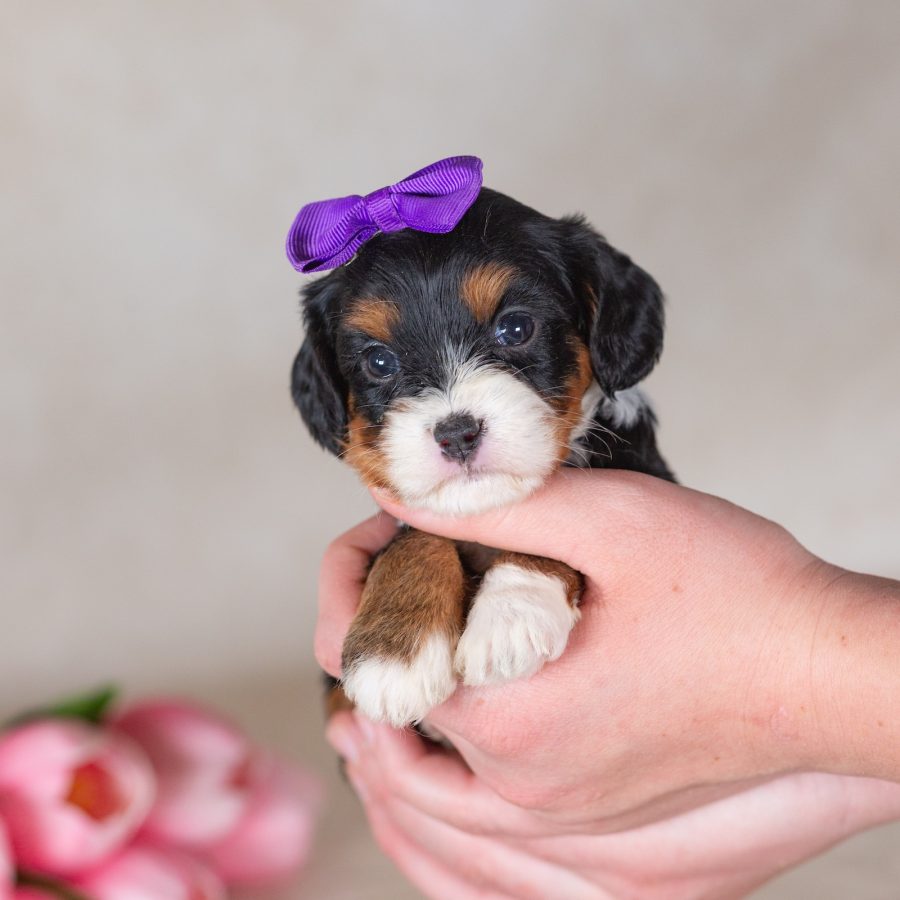
Since “Munchkin” refers to the breed mix and not a size category, the size of the puppy actually comes down to the specific pairing used to produce the litter. Because Cavaliers are a naturally smaller breed, they’re most commonly paired with our smaller Bernedoodles, which is why the typical Munchkin Bernedoodle lands in the 13-20 pound range as an adult.
That said, size can still shift depending on which parent dogs are paired together for a given litter. If you’re set on a specific size, it’s always worth asking your breeder about the parent dogs behind that particular litter rather than assuming based on the Munchkin name alone.
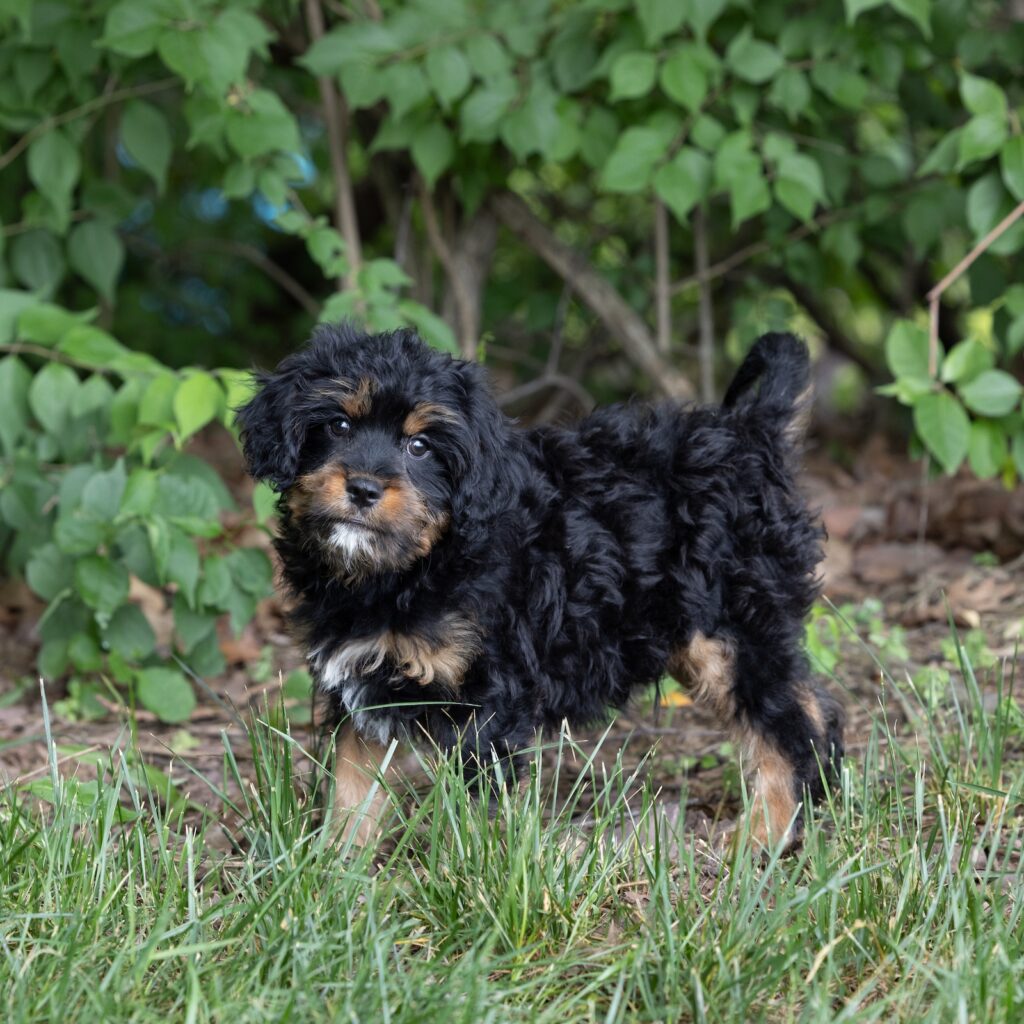
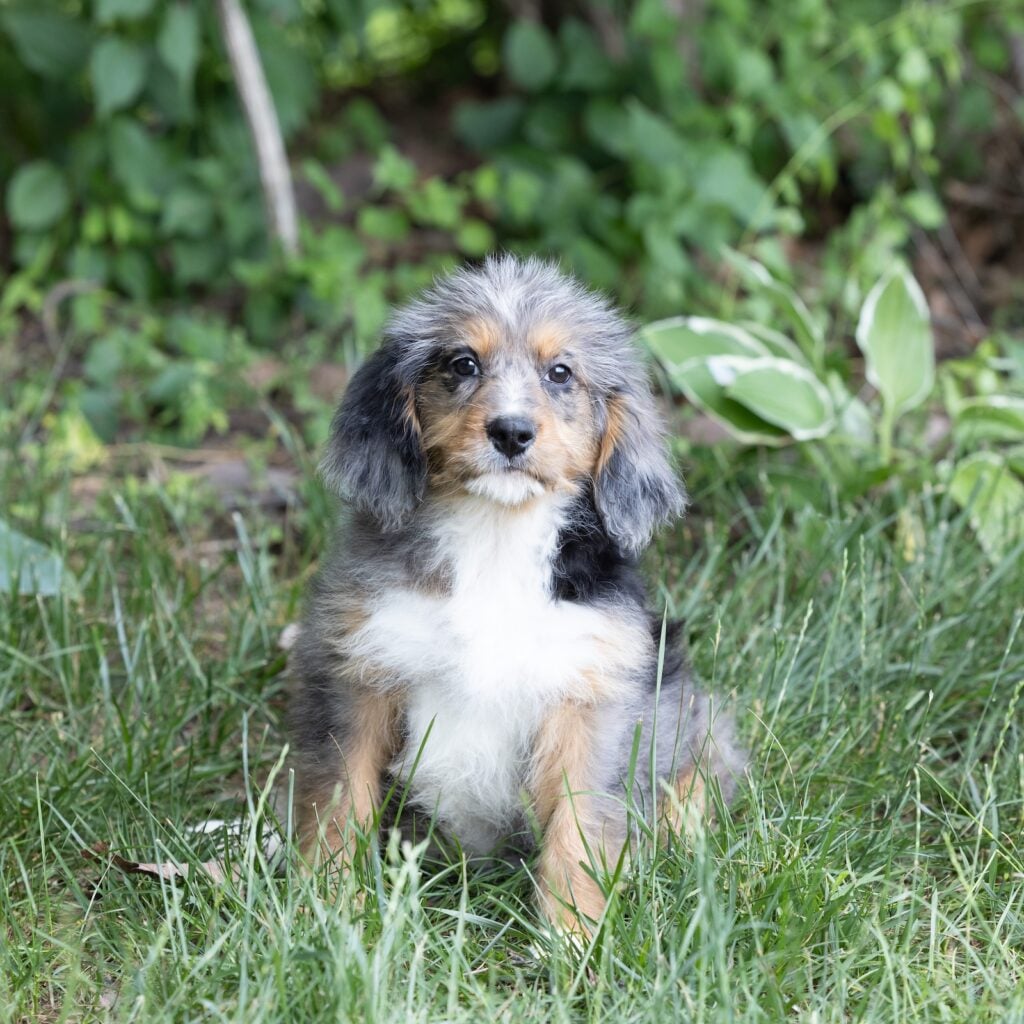
Bernedoodles are already known for being loyal, easygoing, and family-oriented. Adding the Cavalier into the mix tends to lean the temperament even further toward affectionate and eager-to-please. If you’re picturing a dog who wants nothing more than to curl up next to you after a walk, that’s a pretty accurate description of what most Munchkin owners tell us.
That said, every litter is different, and personality is shaped by more than just breed mix — early socialization, structure, and the individual puppy’s temperament all play a role too.
Like standard Bernedoodles, Munchkins are generally low-to-non-shedding thanks to the Poodle side, which makes them a popular option for families managing allergies. Coat type can still vary puppy to puppy — some will have more wave, some more curl — but you can expect regular brushing and periodic grooming to keep things manageable, regardless of exact coat texture.
A Munchkin Bernedoodle puppy tends to be a great match for:
If you’re looking for a more independent dog, or a breed built primarily for high-energy working roles, a Munchkin Bernedoodle probably isn’t the right fit. These pups do best when they’re part of the daily rhythm of the household, not left to their own devices for long stretches.
However you land on a size or mix, the most important decision is where your puppy comes from. Look for a breeder who health tests their parent dogs, is transparent about the specific mix and lineage of a litter, and can answer detailed questions about temperament, coat, and care without hesitation. A responsible breeder should welcome those questions, not avoid them.
A Munchkin Bernedoodle puppy isn’t a smaller version of a Bernedoodle — it’s a distinct three-breed mix that brings the Cavalier King Charles Spaniel’s warmth and affection into the already-beloved Bernese-Poodle combination. If you want a dog that’s deeply bonded to its people, low-shedding, and endlessly sweet, a Munchkin might be exactly what you’re looking for.

Paw Tale Puppies brings years of dedicated experience in raising happy, healthy companion dogs. With a deep commitment to responsible breeding, they prioritize ethical practices, early socialization, and attentive care from day one. Their goal is to ensure each puppy is not only well-prepared for life in a loving home but also thoughtfully matched with the perfect family, creating lasting bonds built on trust and companionship.