Zuchon, Shichon, Teddy Bear, Shih Tzu Mix, Bichon Mix — Why This One Dog Has Five Names
Written By Paw Tale Puppies Aug 18th, 2026
If you’ve spent any time searching for a small, fluffy, low-shedding companion dog, you’ve probably run into a strange problem: the same puppy seems to go by five different names depending on which listing you’re looking at. One breeder calls it a Zuchon. Another calls it a Shichon. Someone else is selling “Teddy Bear puppies.” And somewhere in your search results, you’ve definitely seen “Shih Tzu mix” or “Bichon mix” used to describe what looks like the exact same dog.
So which one is it? The honest answer is: all of them, depending on who’s talking and what they’re trying to tell you. I want to walk through where each of these names actually comes from, which one I think is most useful, and why I don’t think the multiplicity of names is something to be suspicious of. If anything, it’s the opposite.
Navigation
Article Contents
Wait, Are These All the Same Dog?
Yes. In almost every case, when you see “Zuchon,” “Shichon,” “Teddy Bear puppy,” “Shih Tzu mix,” or “Bichon mix” used to describe a small, round-faced, low-shedding companion dog, you are looking at the same cross: a Shih Tzu bred with a Bichon Frise.
I understand why this is confusing. There’s no governing kennel club standardizing hybrid dog names, which means the naming free-for-all we see across breeder websites is basically the industry’s own doing. Nobody sat down and agreed on one official term, so five different ones grew up independently, each for a slightly different reason. Let’s get into those reasons.
Where Each Name Actually Comes From
Shichon and Zuchon
These are the two “real” hybrid names, and they’re both built the same way: take a piece of each parent breed’s name and mash them together. Shichon comes from Shih Tzu + Bichon. Zuchon is a slight variation, sometimes tracing more to “Zu” from Shih Tzu phonetically. Different corners of the doodle-and-designer-dog world settled on different portmanteaus, and both stuck.
My honest opinion: these are the most accurate names available, because they’re the only two that actually reference both parent breeds by name. If you want a term that tells you the genetic makeup of the dog, Shichon or Zuchon is what you’re looking for.
Teddy Bear
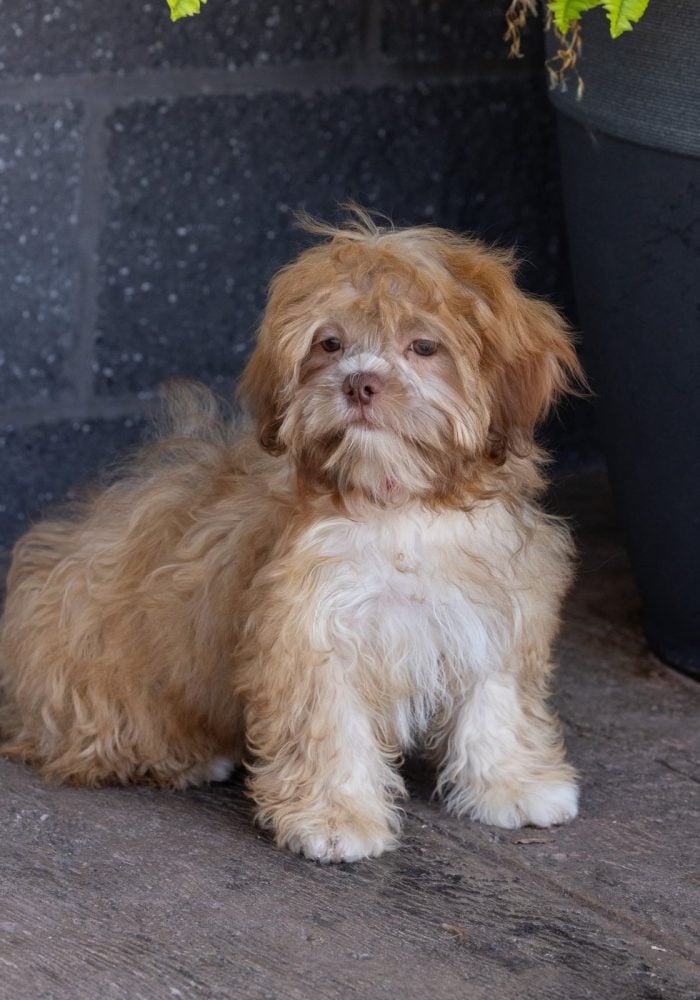
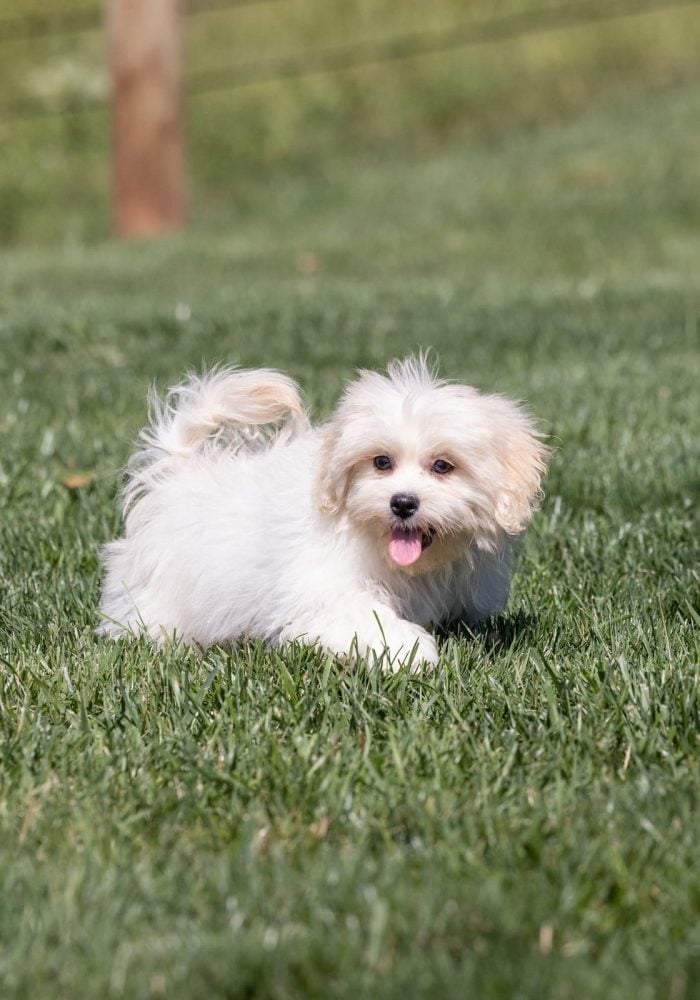
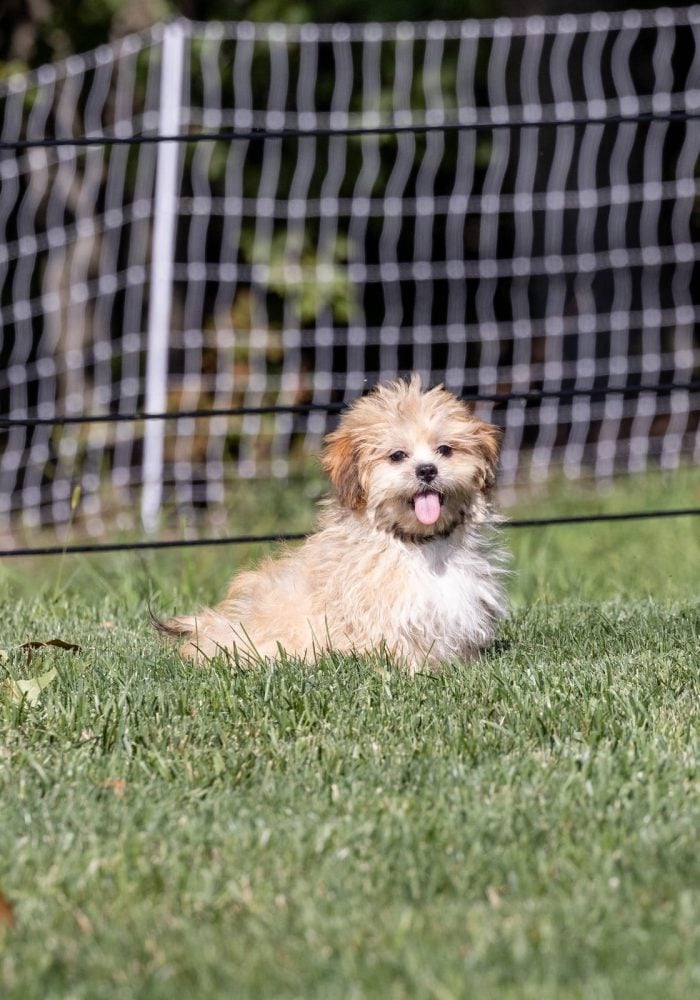
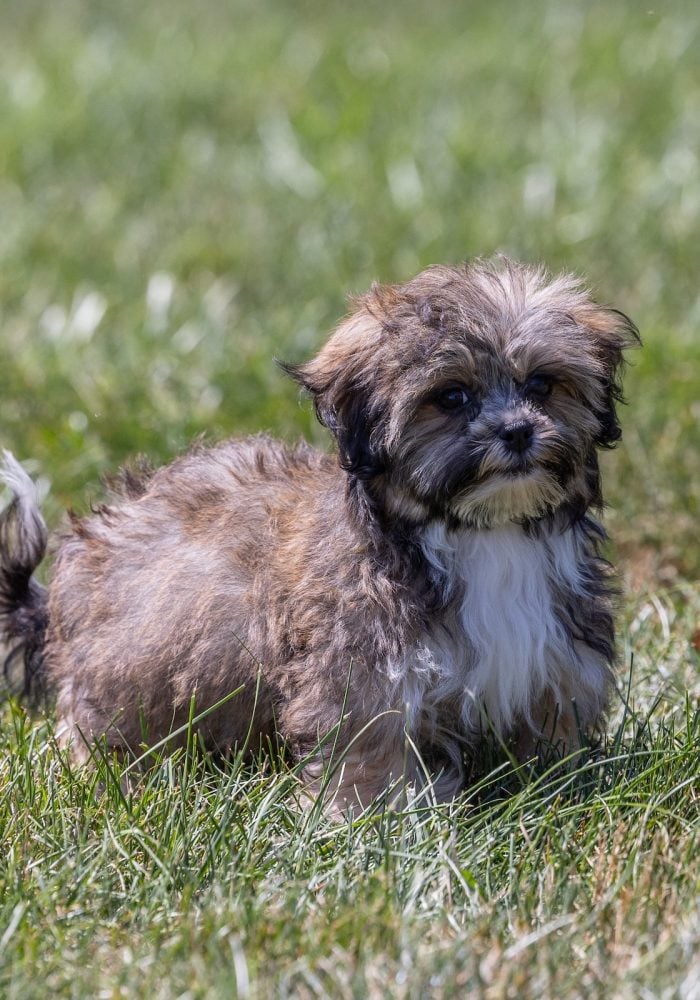
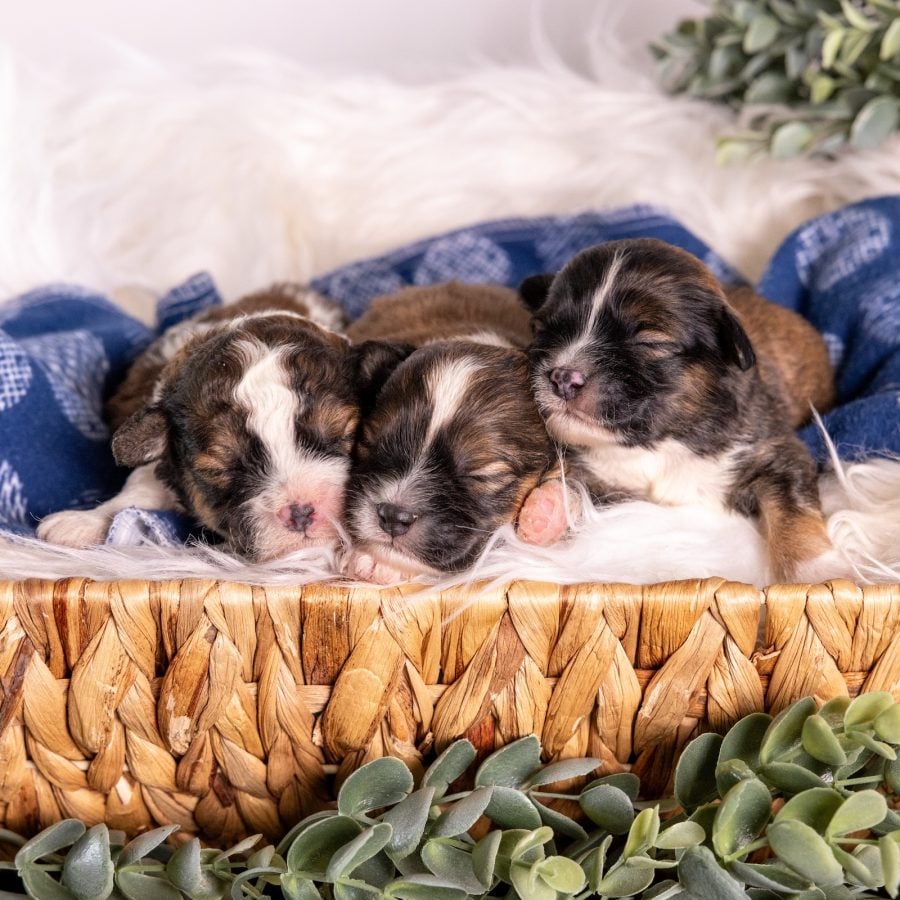
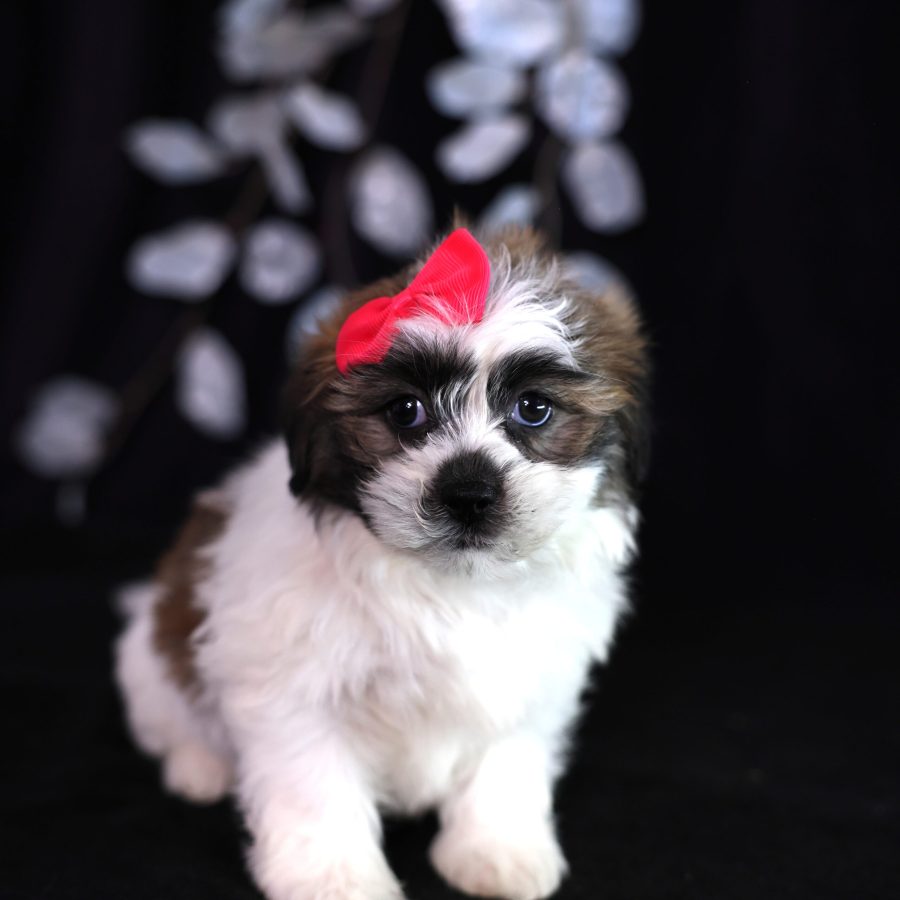
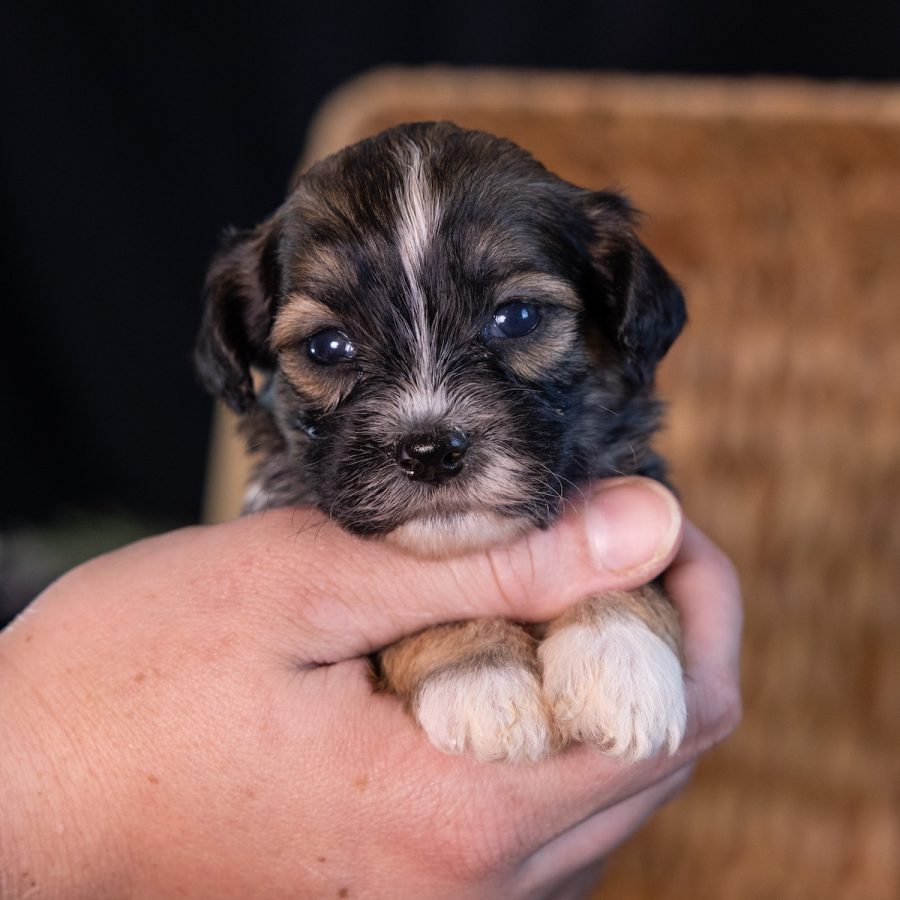
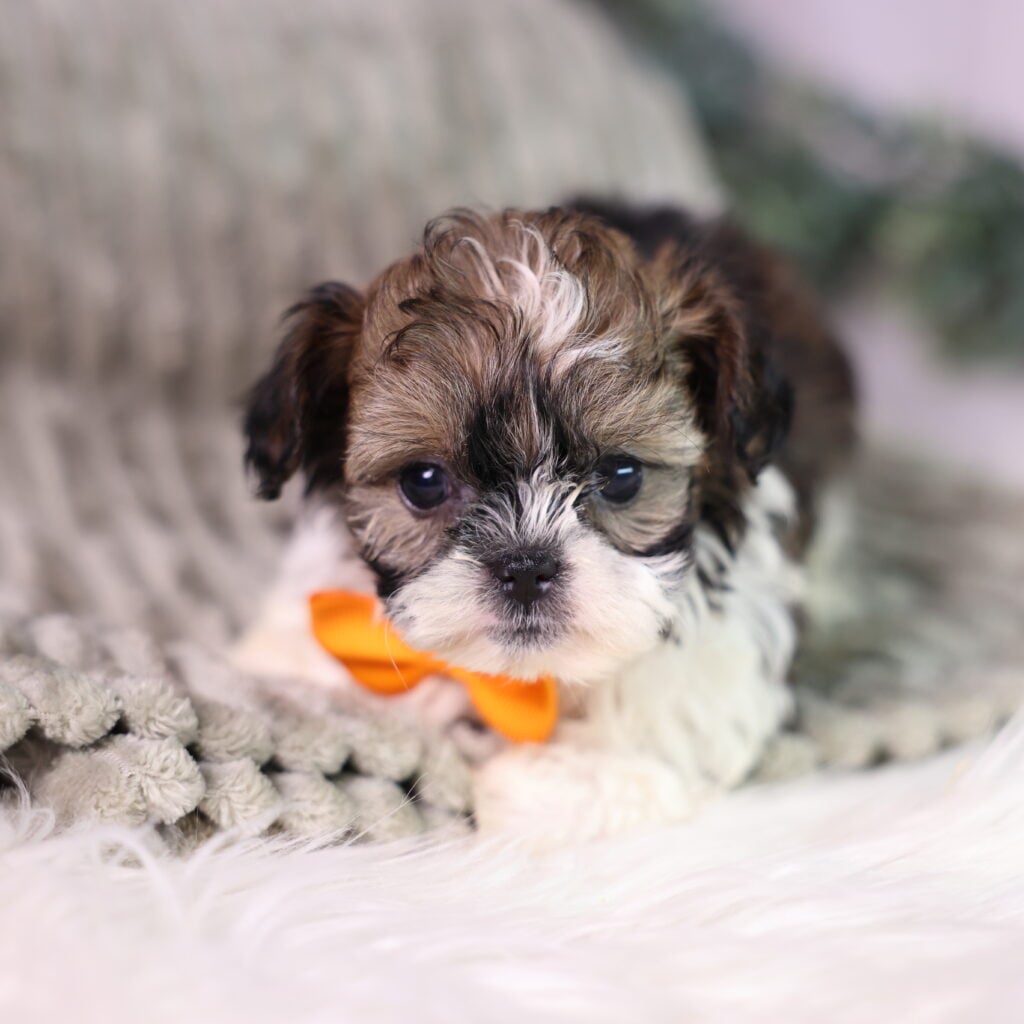
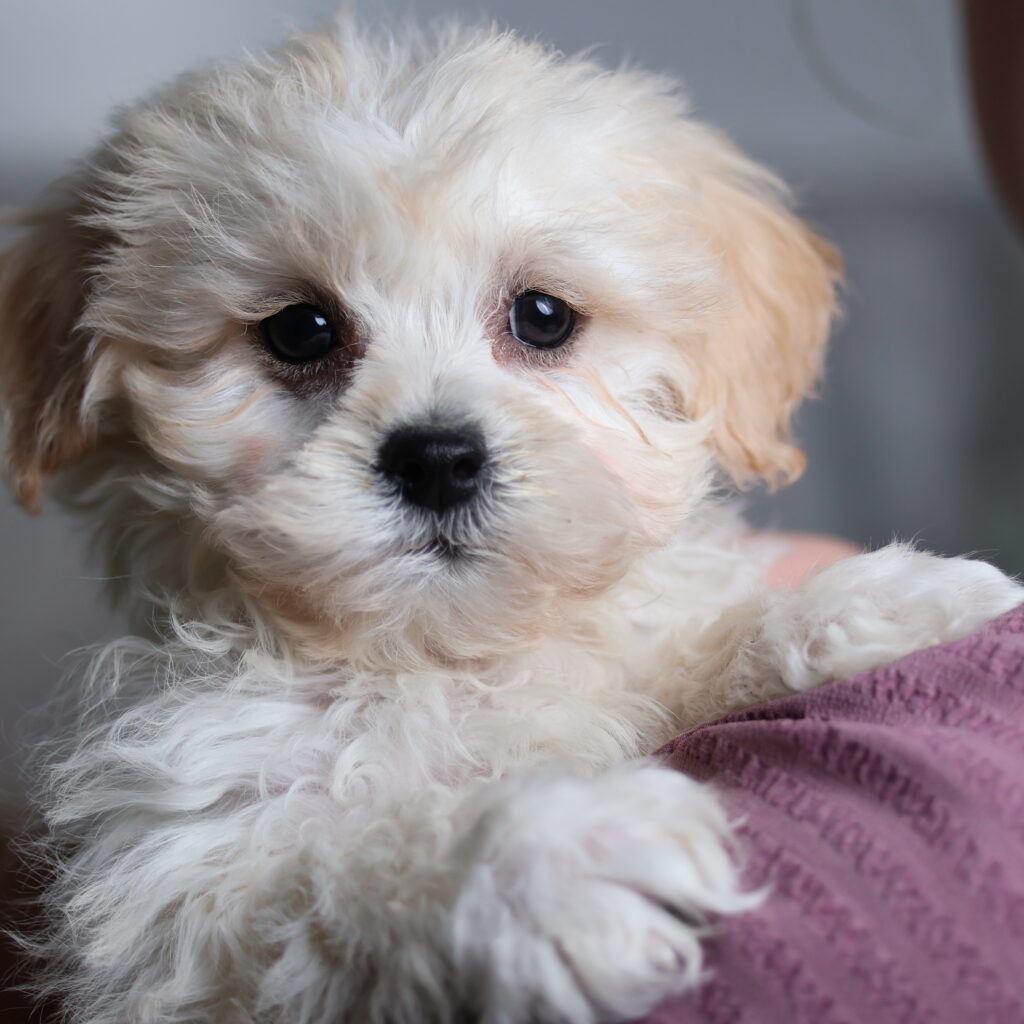
Here’s where I think people get tripped up. “Teddy Bear” isn’t a breed name, and it never was. It’s a nickname, born entirely out of appearance — the round face, the soft coat, the button eyes that genuinely do look like a stuffed animal come to life. It’s not exclusive to the Shichon, either. Plenty of hybrid breeds with a similar look get called “Teddy Bear puppies” by their breeders.
I use this term constantly, and I’m not going to pretend otherwise. It’s evocative, it’s exactly what most families are picturing when they start searching, and it captures something true about the dog’s appearance and personality. What it doesn’t do is tell you anything about genetics. A Teddy Bear puppy could be a Shichon. It could technically be a different soft-coated hybrid entirely. The name describes a vibe, not a pedigree.
Shih Tzu Mix and Bichon Mix
These are the plainest, most generic terms in the group, and they tend to show up when someone is searching without knowing the word “Shichon” exists yet. They’re not wrong, exactly — a Shichon genuinely is a Shih Tzu mix, and it genuinely is a Bichon mix. But calling it just that is a little like calling a Bernedoodle a “Poodle mix.” Technically accurate, but it leaves out half the story.
I think these terms serve a real purpose: they’re the on-ramp for buyers who are still early in their research, searching in plain language before they’ve learned the specific hybrid name. A responsible breeder using these terms isn’t being vague on purpose — they’re meeting people where they are.
The Name I Actually Use, and Why
If I had to pick one term to describe genetics precisely, I’d say Shichon. It’s the name I reach for when I want to be specific about the cross. But in practice, I use all five of these terms depending on context, and I think that’s the right call rather than a compromise.
When I’m writing for someone who already knows what a Shichon is, I use “Shichon.” When I’m talking to a family who just wants “one of those fluffy teddy bear-looking dogs,” I say “Teddy Bear puppy,” because that’s the language they’re already using and I’d rather meet them there than correct their vocabulary. When someone searches “Shih Tzu mix near me,” I want them to find us, because that search reflects a real, honest step in figuring out what dog they’re looking for.
Why So Many Names Isn't a Red Flag
I think there’s a temptation, especially for buyers who’ve read one too many “how to spot a puppy scam” article, to see a breeder using five different names for the same dog and assume something shady is going on — that the inconsistency is designed to confuse, or to make one dog sound like five different, more exclusive products.
I don’t see it that way, and here’s why: a dog with one true genetic identity but several names in circulation isn’t unusual in the hybrid dog world, it’s the norm. Goldendoodles, Cavapoos, Maltipoos — nearly every popular hybrid has picked up nicknames and generic descriptors alongside its “official” portmanteau name. The existence of multiple names simply means this is a dog people talk about in more than one way, which, if anything, points to genuine popularity rather than a marketing trick.
What actually matters is whether the breeder is consistent about what the dog is, regardless of which name they’re using in a given sentence. If a breeder is vague or shifting about the dog’s actual parentage, size, or health testing depending on who’s asking, that’s worth being cautious about. But using “Teddy Bear” in an Instagram caption and “Shichon” in a breed description isn’t inconsistency. It’s just talking like a normal person.
What Actually Matters More Than the Name
Whatever you call this dog, the name is the least important thing to evaluate when you’re choosing where to get one. What matters is the same short list it always comes down to:
Genetic and OFA health testing on both parent dogs. Shih Tzus and Bichon Frises each carry their own breed-specific health considerations, and a responsible breeder can tell you exactly what testing has been done on the sire and dam, OFA results included. That’s true whether you call the puppy a Shichon, a Zuchon, or a Teddy Bear.
Early socialization, What a puppy experiences in its first eight weeks shapes its temperament for life, regardless of what name is on the listing.
Transparency about the coat and grooming commitment. That soft, low-shedding coat mats if it’s neglected, and a good breeder will tell you that up front instead of only showing you the cute photos.
A breeder who asks you questions too. This one never changes, no matter what breed or hybrid you’re researching.
The Bottom Line
Zuchon, Shichon, Teddy Bear, Shih Tzu mix, Bichon mix — five names, one dog, and none of them are trying to pull one over on you. Shichon and Zuchon tell you the genetics. Teddy Bear tells you what to expect when you look at one. Shih Tzu mix and Bichon mix meet you wherever you are in your search. Use whichever one feels natural to you. We use all of them, because we’d rather be found by the family looking for this dog than lose them over a technicality in terminology.
If you’re ready to learn more or want to ask questions about whether one of these puppies — whatever you want to call them — is the right fit for your home, we’d love to hear from you. Visit pawtalepuppies.com to see our available puppies and get started.
FAQs About Micro Bernedoodle Breeders
Is a Zuchon the same thing as a Shichon? Yes. Both terms describe the same cross between a Shih Tzu and a Bichon Frise. The two names developed independently in different corners of the hybrid dog world, but they refer to the same dog.
Is “Teddy Bear puppy” a real breed? No. “Teddy Bear” is an appearance-based nickname, not a breed or hybrid name. It’s commonly used to describe Shichons because of their round, soft-coated, teddy-bear-like look, but it doesn’t specify genetics on its own.
Why do some breeders call it a Shih Tzu mix instead of a Shichon? Usually because that’s the language a buyer is already searching in. “Shih Tzu mix” is accurate as far as it goes, but it only tells half the story since it leaves out the Bichon Frise side of the cross.
Does the name affect the puppy’s health testing or breeding standards? No. Whatever name is used in a listing, the things that actually matter — OFA and genetic testing on the parents, early socialization, and breeder transparency — should be consistent regardless of terminology.

Written By: Paw Tale Puppies
Paw Tale Puppies brings years of dedicated experience in raising happy, healthy companion dogs. With a deep commitment to responsible breeding, they prioritize ethical practices, early socialization, and attentive care from day one. Their goal is to ensure each puppy is not only well-prepared for life in a loving home but also thoughtfully matched with the perfect family, creating lasting bonds built on trust and companionship.